
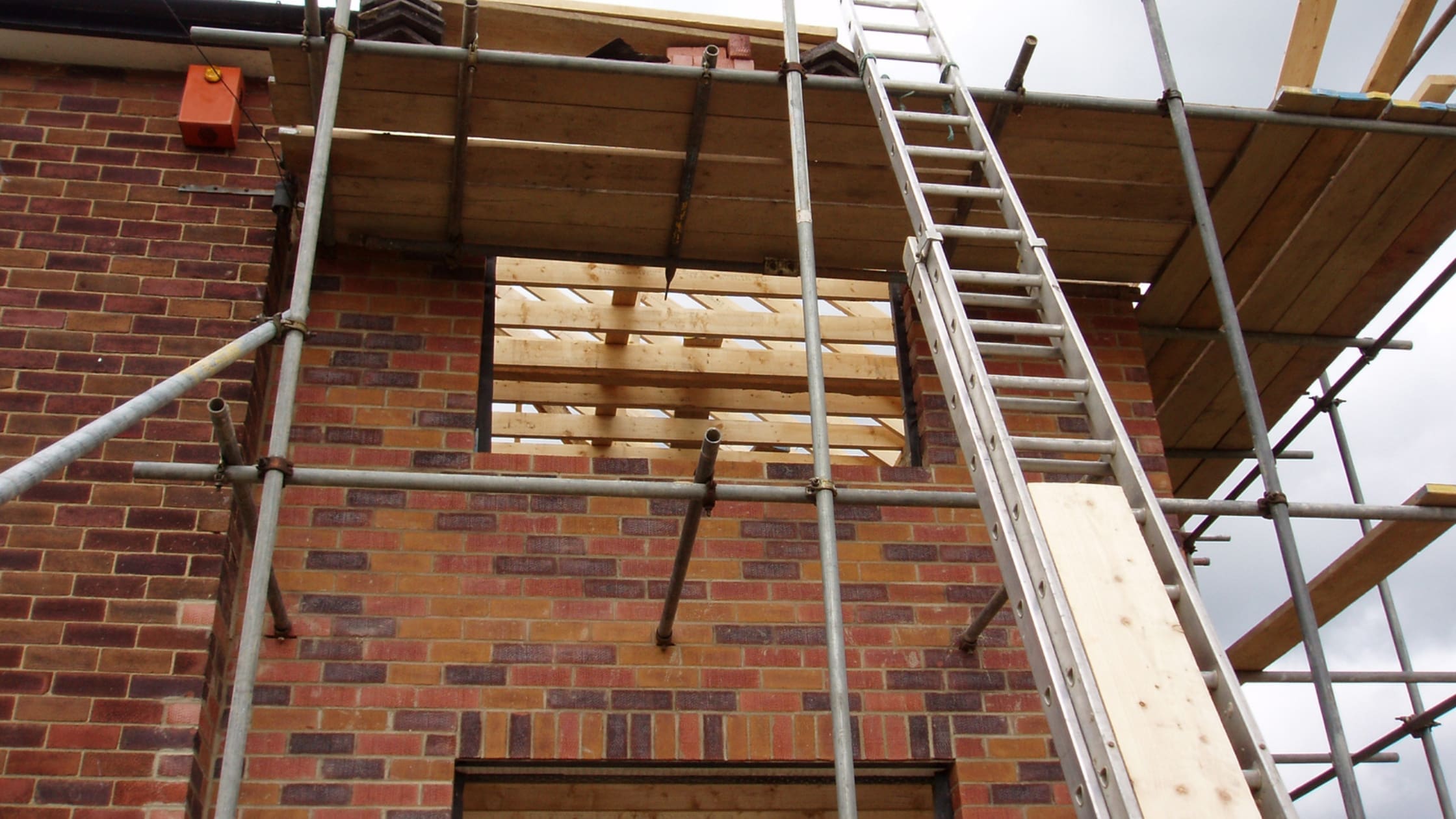
In the UK, permitted development is a term used to describe certain types of property development that do not need prior approval from the local authorities or planning permission. These developments are typically allowed under the planning regulations and can be carried out by individuals or businesses without the need for any formal application process.
Permitted development rights vary depending on the specific zoning and planning regulations in place in different regions of the UK. However, there are typically several different types of permitted development that are permitted under these regulations. These can include:
- Extensions: Extensions to existing buildings, such as adding a new room or extending the roof or height of an existing structure.
- Alterations: Changes to the exterior of a building, such as repainting or adding signage, as long as they do not significantly alter the character or appearance of the property.
- Conservatory construction: The construction of new conservatories, as long as certain requirements are met in terms of size, materials, and location.
- Greenhouses: The construction of greenhouses, as long as certain conditions are met, such as the size and materials used.
- Carports: The construction of carports to protect vehicles from adverse weather conditions, as long as they are not higher than the original roofline and are made from appropriate materials.
- Outbuildings: The construction of outbuildings, such as sheds or garages, as long as they meet certain criteria, such as size and location.
- Patio areas: The creation of patio areas in the garden, as long as they do not significantly alter the exterior of the property.
- Solar panels: The installation of solar panels to generate electricity, as long as certain conditions are met, such as the height of the panels and their impact on the visual appearance of the property.
While permitted development offers certain freedoms, it is important to remember that there are conditions and limitations in place. These can include:
- Size restrictions: Some types of permitted development have size restrictions, such as the maximum height, width, or area that can be developed.
- Materials and specifications: The materials used, and the specific design specifications must comply with the planning regulations.
- Impact on neighbours: Permitted developments should not negatively impact the amenity of neighbouring properties or their living conditions.
- Highway safety: Any permitted development that affects the highway, such as the construction of a driveway or boundary wall, must comply with relevant highway regulations.
In summary, permitted development in the UK refers to certain types of development that do not need prior approval from the local authorities or planning permission. These developments are typically allowed under the planning regulations and can be carried out by individuals or businesses without the need for any formal application process. However, it is important to be aware of the conditions and limitations that apply to ensure compliance.
At Atrium Construction, we work with clients on all kinds of building projects that fall under the permitted development category. We also work closely with our sister company, Atrium Planning Consultants, should you require a more formal planning application. Get in touch with the team to find out more or to obtain a FREE no obligation quotation.