
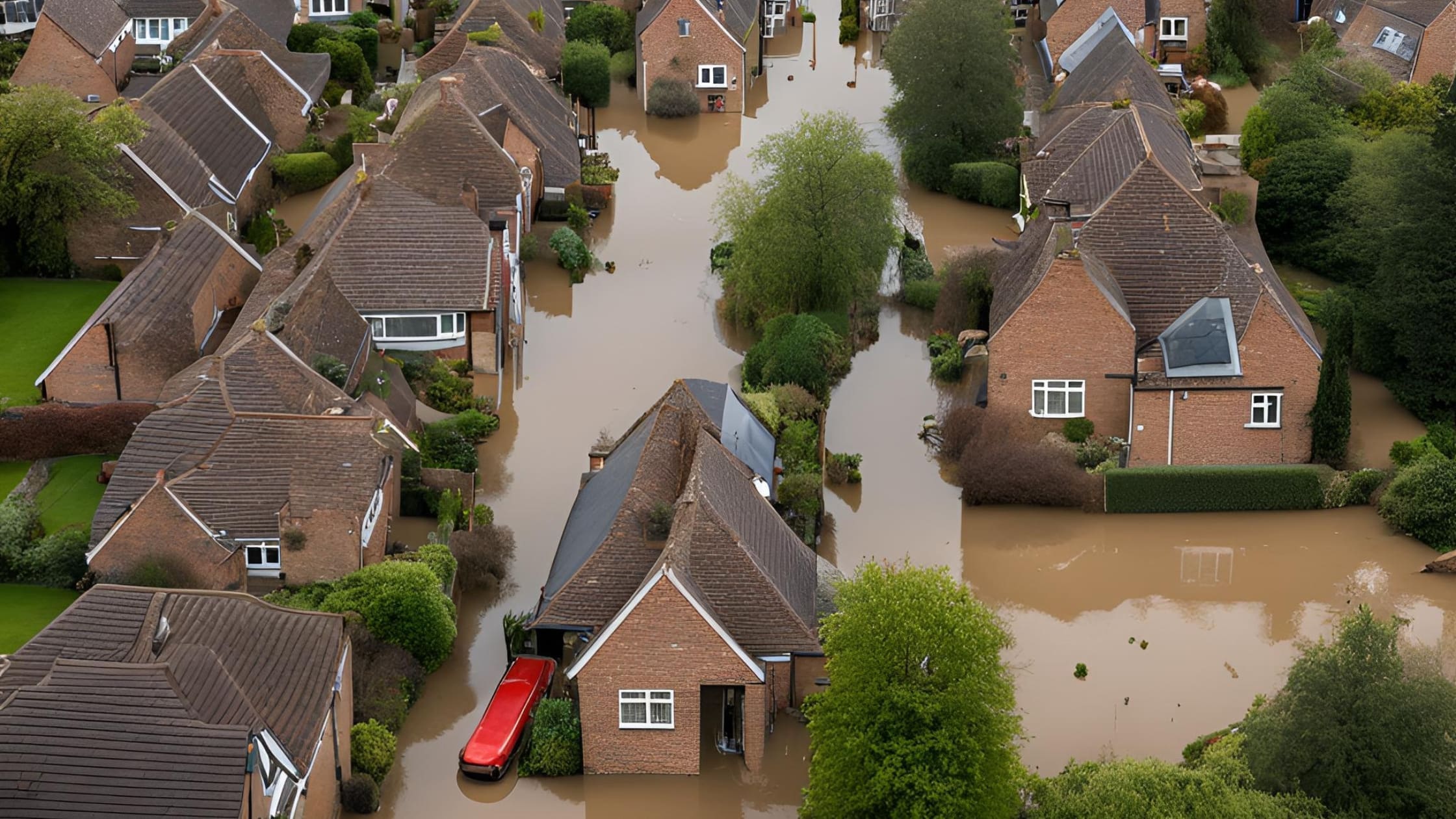
Sustainable Drainage Systems (SuDS) have become increasingly important in protecting the environment and preventing flooding in urban areas. In Wales, the Sustainable Drainage Approval (SAB) process is a vital step in ensuring that SuDS are developed and implemented effectively.
For developments with a construction area of 100m2 or more, you must also obtain SAB approval in addition to your planning permission. SAB approval must be granted by the local authority before construction can begin.
In this article, we provide an overview of the SAB approval process in Wales and its significance to your new property development project.
Purpose of the SAB Approval Process
The SAB approval process in Wales aims to ensure that SuDS are designed, constructed, and maintained in compliance with relevant regulations and guidelines. This process ensures that SuDS are sustainable, environmentally friendly, and meet the flood management needs of the area.

Key Steps in the SAB Approval Process
The SAB approval process in Wales follows several key steps:
- Pre-Application Stage: Developers and constructors initiate the SAB approval process by submitting a pre-application questionnaire. This helps identify potential issues and ensure that the project is suitable for SuDS.
- Technical Assessment: The submitted pre-application questionnaire is reviewed by the SAB technical team. This assessment evaluates the technical feasibility, sustainability, and compliance with SuDS requirements.
- Design Review: If the initial assessment is positive, the SAB technical team conducts a detailed design review of the proposed SuDS system. This review ensures that the design is robust, efficient, and meets the required standards.
- Construction Review: Once the design is approved, the construction process is monitored and reviewed by the SAB technical team. This stage ensures that the construction process is in accordance with the approved design and meets the desired quality standards.
- Operation and Maintenance: Once the SuDS system is constructed, the SAB technical team conducts regular inspections to monitor its performance and compliance with the approved design. This review ensures that SuDS are maintained effectively and continue to operate as intended.
Benefits of the SAB Approval Process
The SAB approval process in Wales offers several benefits:
- Environmental Sustainability: SuDS are designed to manage rainwater runoff efficiently, reducing water pollution and soil erosion. The SAB approval process ensures that SuDS meet this objective.
- Flood Management: SuDS can alleviate flooding risks by slowing down and detaining runoff, allowing water to infiltrate into the ground naturally. The SAB approval process ensures that SuDS are properly designed and implemented for this purpose.
- Cost Savings: Implementing SuDS can significantly reduce the need for traditional drainage systems, such as pipework and culverts. The SAB approval process promotes cost-effective and sustainable drainage solutions.
- Landscaping Enhancement: SuDS can be integrated with landscaping features to create visually appealing and functional public spaces. The SAB approval process ensures that the aesthetics and sustainability of the SuDS are considered.
In conclusion, the SAB approval process in Wales plays a crucial role in promoting the development and implementation of sustainable drainage systems. By ensuring that SuDS are designed, constructed, and maintained in compliance with relevant regulations and guidelines, this process ensures that the environment is protected and flooding risks are reduced. The SAB approval process ensures that the sustainable development of Wales is achieved, while also providing economic benefits through sustainable drainage solutions.